Healing Through Bridging Tradition and Science
Welcome to Dr. Young’s Greenspring Acupuncture Clinic, where we deliver a comprehensive, evidence-informed approach to health and wellness through the clinical application of acupuncture. Originating from traditional Chinese medicine, acupuncture involves the controlled insertion of fine, sterile needles at anatomically defined points to modulate physiological function and support the body’s intrinsic regulatory and healing.
Biomedical Understanding of Acupuncture Needling
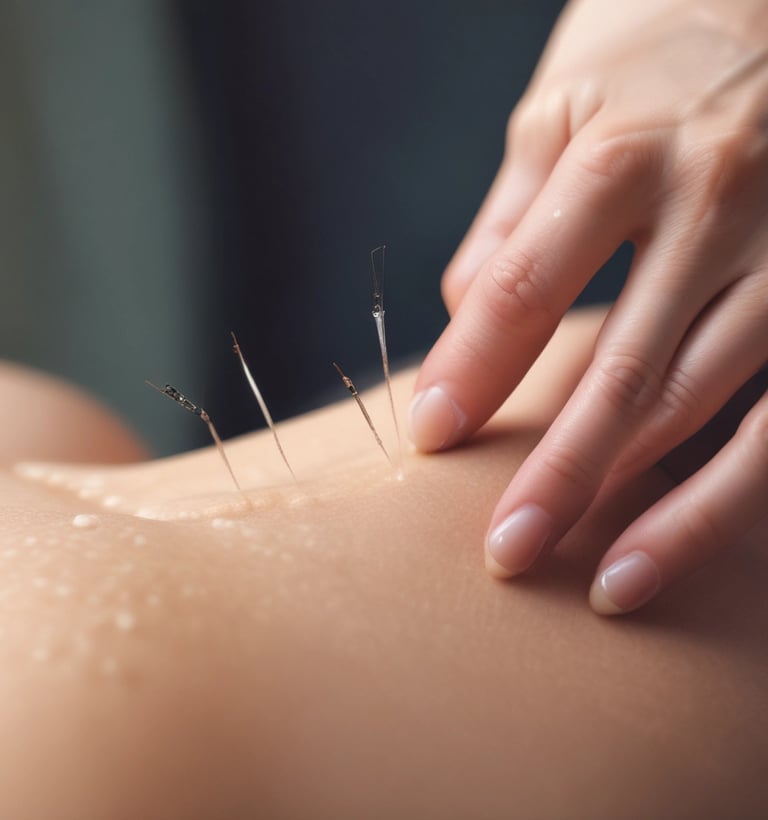
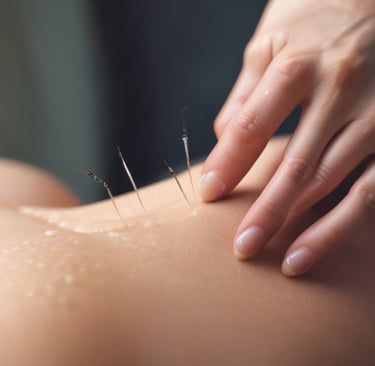
Needle stimulation at specific acupuncture points activates cutaneous and muscular afferent nerve fibers, initiating interactions with both peripheral and central nervous system pathways. This neuromodulation triggers a cascade of neurophysiological responses, including the release of endogenous opioids and neurotransmitters— such as endorphins, enkephalins, serotonin, and norepinephrine—which are known to influence pain perception, autonomic regulation, and emotional balance.
The analgesic effects of acupuncture are well documented in the scientific literature. Needle insertion stimulates sensory afferent fibers, particularly A-delta and C fibers, transmitting signals to the spinal cord and brainstem. This process engages descending inhibitory pain pathways, resulting in the modulation of nociceptive transmission and the attenuation of pain signaling at both spinal and supraspinal levels.
At our clinic, we prioritize individualized, patient-centered care by developing personalized treatment plans based on each patient’s clinical presentation, health history, and therapeutic goals. Dr. Young possesses advanced training and extensive clinical experience, and are committed to delivering safe, effective, and integrative care that supports optimal health outcomes.
Mechanisms of Action in Cupping Therapy


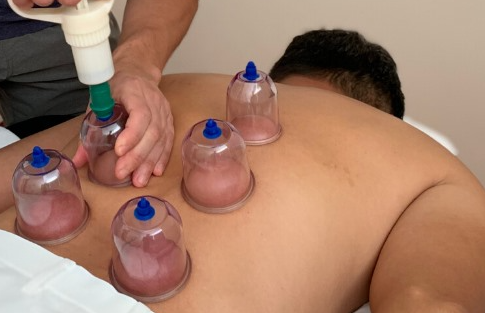
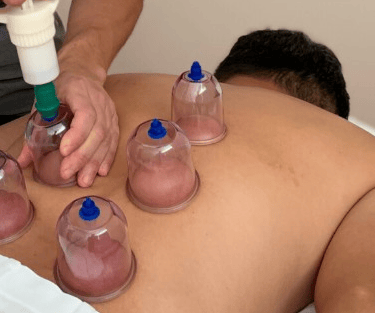
Within the field of Oriental medicine, cupping therapy is a long-established therapeutic modality that has been utilized for centuries to address musculoskeletal pain and functional discomfort. As integrative and complementary medical practices gain broader acceptance in Western healthcare settings, the combined use of cupping therapy and acupuncture has emerged as a clinically relevant approach for enhancing pain management outcomes.
When applied in conjunction with acupuncture, cupping therapy serves as an adjunctive intervention aimed at areas of myofascial tension, localized hypoperfusion, or tissue stagnation. By creating negative pressure at the skin surface, cupping promotes localized vasodilation and increases microcirculation, thereby complementing acupuncture’s neuromodulatory effects and potentially amplifying overall therapeutic efficacy.
Evidence supporting this integrative approach includes a 2016 study published in PLOS ONE, which examined the combined effects of acupuncture and cupping therapy in patients with chronic neck and lower back pain. The study demonstrated that cupping-induced improvements in local blood flow facilitate enhanced delivery of oxygen and nutrients to affected tissues, supporting tissue repair processes and reducing inflammatory responses. In this combined treatment model, acupuncture primarily addresses underlying neuromuscular and regulatory mechanisms, while cupping therapy contributes to symptom relief by improving circulation and accelerating functional recovery.
Facial Cosmetic Acupuncture
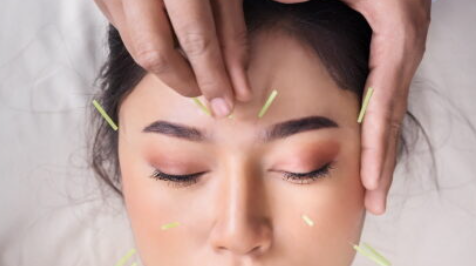
Facial cosmetic acupuncture, often referred to as acupuncture facelift, represents a longstanding therapeutic approach to facial rejuvenation with origins in traditional East Asian medicine. Historical accounts indicate that this modality was utilized in ancient China by members of the imperial court to promote skin vitality and preserve a youthful appearance.
The integration of traditional clinical practice with contemporary biomedical research has brought facial cosmetic acupuncture into the scope of evidence-informed medicine. Emerging studies published in peer-reviewed journals have begun to elucidate its underlying physiological mechanisms. Research reported in the Journal of Evidence-Based Complementary & Alternative Medicine demonstrated measurable improvements in skin elasticity among individuals who received a structured series of facial acupuncture treatments, suggesting a potential association with enhanced collagen synthesis within the dermal layers.
From a mechanistic perspective, facial cosmetic acupuncture operates through principles similar to other established dermatologic procedures, such as microneedling and micro-skin treatments. The controlled insertion of ultra-fine needles into targeted facial tissues induces localized micro-injury, which stimulates increased regional blood perfusion and activates fibroblast activity. This biological response promotes the production of collagen and elastin—structural proteins essential for maintaining skin firmness, elasticity, and overall dermal integrity.
Chinese Herbal Medicine
Traditional Chinese Herbal Medicine (TCHM) is one of the world’s oldest continuously practiced medical systems, with origins dating back over two millennia. Its early foundations are documented in the Shennong Bencao Jing during the Han dynasty, which categorized 365 medicinal substances and established principles of therapeutic use and safety. Over successive dynasties, this knowledge expanded through clinical experience and scholarship, culminating in comprehensive texts such as Li Shizhen’s Bencao Gangmu, which cataloged nearly 1,900 substances and thousands of prescriptions.
TCHM is based on a holistic medical framework that emphasizes balance and functional relationships within the body and with the environment. Herbal therapies are prescribed according to principles such as Yin–Yang balance, the Five Phases, and pattern differentiation, typically using multi-herb formulas with defined roles to enhance efficacy and reduce adverse effects. Modern scientific research has begun to clarify the biochemical mechanisms of these practices, identifying diverse bioactive compounds and multi-target interactions. Consequently, Chinese herbal medicine is increasingly integrated into contemporary research and evidence-based medicine, contributing to drug discovery and integrative healthcare.
Our Location
Columbia, MD Clinic
5525 Twin Knolls Road Suite 331 Columbia, MD 21045
Mon: 8:30 AM to 5:30 PM Tue: 8:30 AM to 5:30 PM Wed: Closed Thu: Closed Fri: 8:30 AM to 5:30 PM Sat: 8:30 AM to 5:30 PM
Clinic Hours