Conditions Treated


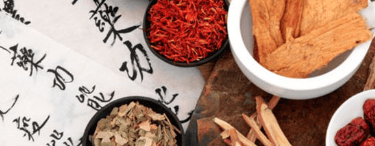
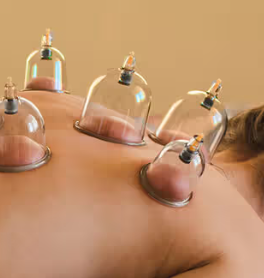
Neck and shoulder pain often result from muscle strain, poor posture, joint degeneration, nerve compression, or stress-related muscle tension. In acupuncture care, treatment focuses on relieving pain while addressing the underlying imbalances contributing to these conditions. Acupuncture works to reduce muscle tension, improve circulation, regulate pain signaling, and restore the normal flow of energy and function in the affected areas. Treatments are individualized based on each patient’s presentation and may be combined with cupping and scrapping therapy, and herbal support to enhance healing, prevent chronic dysfunction, and promote long-term musculoskeletal health.
Lower back pain often arises from neurological musculoskeletal, and biomechanical dysfunctions. Common causes include muscle and ligament strain from improper lifting, or poor posture, as well as degenerative conditions like lumbar disc degeneration, and spinal stenosis. Nerve compression from disc herniation may cause localized or radiating pain, while stress and inactivity can lead to muscle imbalance and mechanical load on the lumbar spine. Acupuncture relieve pain, reduce inflammation and muscle spasms, improve circulation, and support tissue repair and neuromuscular function, addressing both symptoms and underlying biomechanical imbalances.
Arthritis causes joint pain, stiffness, and reduced movement. It can result from cartilage wearing down (osteoarthritis), immune attacks on joints (rheumatoid arthritis), injuries or repetitive stress, genetic factors, or crystal buildup in joints (gout). Acupuncture can relieve arthritis pain, reduce inflammation, relax stiff muscles, and improve joint movement. Key mechanisms include: Pain modulation – Needles stimulate nerve pathways that release endorphins and regulate pain signals. it helps the body heal, restore energy balance, and support long-term joint health. Treatments are personalized and may include exercises, diet, and herbal support to prevent flare-ups.





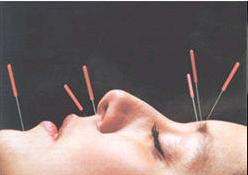
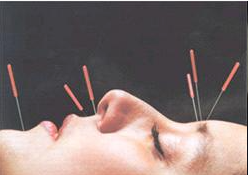




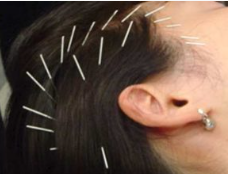
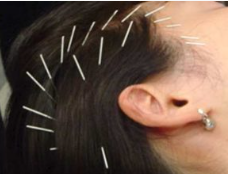
Insomnia often results from imbalances in the nervous system, hormonal fluctuations, or disruptions in the sleep-wake cycle. Factors such as stress, anxiety, chronic pain, or underlying medical conditions can alter brain neurotransmitters like serotonin and melatonin, making it difficult to fall or stay asleep.
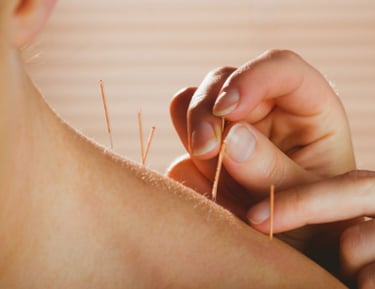
Acupuncture helps regulate the nervous system, balance hormones, and improve melatonin secretion. By stimulating specific points, it reduces stress, calms the mind, and promotes relaxation, supporting natural sleep patterns. Treatments are tailored to each individual’s symptoms for optimal results.
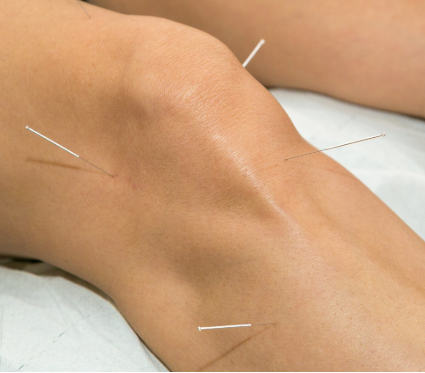
Depression is linked to imbalances in key brain chemicals such as serotonin, dopamine, and norepinephrine, which regulate mood, motivation, and emotional stability. Dysregulation of the stress response system leads to elevated cortisol levels that negatively affect brain function. Acupuncture helps regulate the nervous system and Hypothalamic-Pituitary-Adrenal (HPA) axis, modulate neurotransmitter activity. By promoting circulation and calming stress responses, acupuncture supports emotional balance, improves sleep and energy levels, and enhances overall mental well-being through individualized treatment.
Fibromyalgia is associated with abnormalities in central pain processing, leading to heightened sensitivity to pain signals. Dysregulation of neurotransmitters such as serotonin, dopamine, and substance P contributes to widespread pain, fatigue, and sleep disturbances. Altered stress response, hormonal imbalance may further exacerbate symptoms. Acupuncture helps modulate central pain pathways, regulate neurotransmitter activity, and calm the nervous system. By improving circulation, reducing muscle tension, and balancing stress responses, acupuncture alleviate pain, enhance sleep quality, reduce fatigue through individualized treatment plans
Anxiety disorders arise from dysregulation of neurochemical systems, including imbalances in serotonin, norepinephrine, and GABA, as well as hyperactivity of the HPA axis. Chronic stress, inflammation, genetic predisposition, and autonomic nervous system dysfunction further contribute to persistent anxiety symptoms. Acupuncture reduces anxiety by regulating neurotransmitters such as serotonin, dopamine, and endorphins, modulating the HPA axis, and lowering stress hormones. It balances the ANS, reduces inflammation, alters anxiety-related brain activity, and improve cerebral blood flow, promoting relaxation and emotional regulation.
Multiple Sclerosis (MS) is a chronic autoimmune disorder by immune-mediated inflammation and demyelination within the central nervous system. Abnormal activation of T and B lymphocytes leads to myelin damage, impaired nerve conduction, and progressive neurodegeneration. Genetic susceptibility, environmental factors, dysregulation of immune and inflammatory pathways contribute to disease onset and progression. Acupuncture may support MS care by modulating immune activity, reducing inflammation, and influencing cytokine balance. It may enhance CNS plasticity, promote neuroprotection and remyelination, improve microcirculation, and relieve symptoms such as pain, spasticity, anxiety, and bladder dysfunction through neurochemical regulation.
Headaches arise from complex physiological mechanisms involving activation of trigeminal nerve pathways, dysregulation of central pain processing, and alterations in cerebral blood flow. Contributing factors include neuroinflammation, release of calcitonin gene-related peptide, muscle tension, stress-related autonomic imbalance, and abnormal neurotransmitter activity. Acupuncture modulates nociceptive signaling and regulating the CNS systems. It stimulates release of endorphins, neuromodulators, reduces inflammatory mediators, improves cerebral and muscular blood flow, and promotes parasympathetic activity. These effects help decrease pain sensitivity, relieve muscle tension, and reduce headache frequency and intensity.
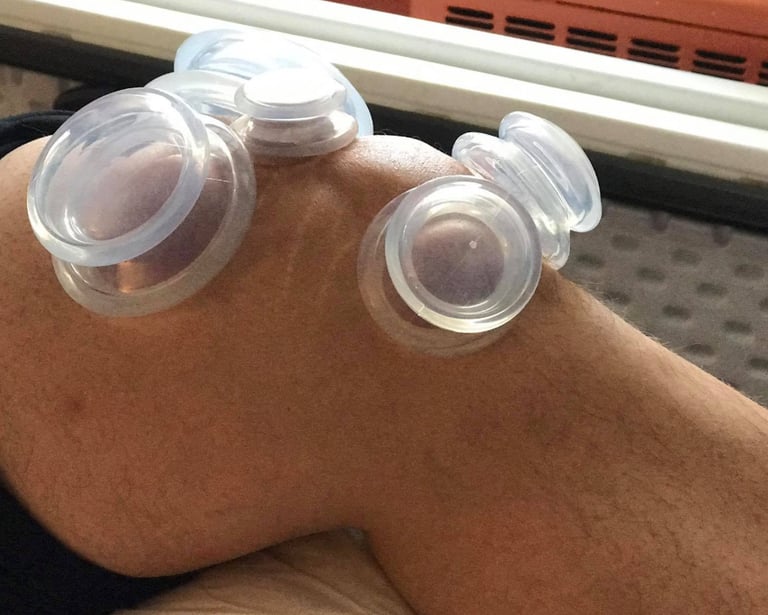


Peripheral neuropathy results from damage to peripheral nerves, leading to sensory, motor, or autonomic dysfunction. Common physiological causes include chronic hyperglycemia in diabetes, which induces oxidative stress and microvascular injury, autoimmune inflammation, infections, neurotoxic medications, and impaired nerve blood supply. These factors disrupt axonal transport and myelin integrity, resulting in pain, numbness, and weakness. Acupuncture modulates neuro- inflammatory pathways, improving micro- circulation, and enhancing nerve blood flow. It stimulates release of neurotrophic factors, and neurotransmitters, reduces inflammatory cytokines, and supports nerve regeneration and central pain modulation, thereby improving sensory function and reducing neuropathic pain.
Allergic disorders arise from immune system hypersensitivity to normally harmless substances, leading to exaggerated IgE-mediated responses. Allergen exposure triggers mast cell and basophil activation, releasing histamine, leukotrienes, and cytokines that cause inflammation, vasodilation, mucus secretion, and tissue irritation. From a biomedical perspective, acupuncture may help regulate immune function and inflammatory responses. Research suggests it can modulate Th1/Th2 immune balance, reduce IgE production, inhibit mast cell degranulation, and decrease pro-inflammatory cytokines. Acupuncture also influences autonomic nervous system activity and neuroimmune signaling, which may reduce nasal congestion, itching, and other allergic symptoms.
Digestive disorders arise from disrupted gastrointestinal motility, visceral hypersensitivity, altered gut–brain signaling, and imbalance of the enteric nervous system. Contributing factors include inflammation, dysregulation of autonomic and vagal activity, abnormal secretion of digestive enzymes and hormones, gut microbiota imbalance, and stress-related hypothalamic–pituitary–adrenal axis activation. Acupuncture modulates the gut–brain axis and autonomic nervous system. It enhances vagal tone, regulates gastric motility and secretion, reduces visceral pain and inflammation, and influences gastrointestinal hormones such as motilin and gastrin. It may also improve intestinal blood flow and normalize stress responses, thereby alleviating symptoms such as bloating, constipation, and functional bowel disorders.
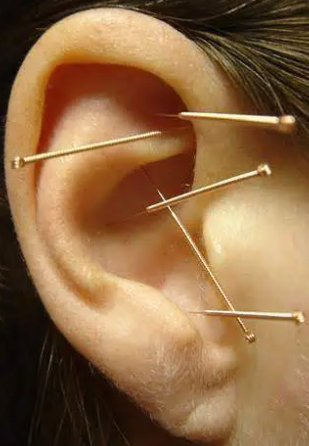
Battlefield acupuncture (auricular acupuncture) exerts rapid physiological and biomedical effects by stimulating cranial and spinal nerve pathways, including the vagus, trigeminal, and facial nerves. In acute battlefield sprains, it activates central pain-inhibitory mechanisms, increases endorphin release, reduces inflammation, and modulates autonomic responses, enabling fast pain control and functional stabilization. Auricular protocols such as battlefield acupuncture are designed for rapid, nonpharmacologic analgesia in combat settings. For addiction and mental disorders, ear acupuncture influences limbic system activity, regulates dopamine and serotonin pathways, reduces stress-related HPA axis activation, and enhances parasympathetic tone. These effects support craving reduction, emotional stabilization, and improved neuropsychological regulation.


Collagen induction therapy modulated through microneedling acupuncture produces controlled micro-injuries that activate the body’s natural wound-healing response. Physiologically, it stimulates fibroblast activity, increasing collagen and elastin synthesis while enhancing angiogenesis and tissue remodeling. Biomedically, microneedling acupuncture promotes the release of growth factors such as platelet-derived growth factor and transforming growth factor-β, improving skin integrity and cellular regeneration. It also enhances local microcirculation and facilitates transdermal delivery of therapeutic substances. Through neuroimmune modulation and improved extracellular matrix organization, this approach supports skin rejuvenation, scar reduction, pain modulation, and functional tissue repair in a minimally invasive, evidence-informed manner.


Healing Through Bridging Tradition and Science
Patient Centered
Our Location
Columbia, MD Clinic
5525 Twin Knolls Road Suite 331 Columbia, MD 21045
Mon: 8:30 AM to 5:30 PM Tue: 8:30 AM to 5:30 PM Wed: Closed Thu: Closed Fri: 8:30 AM to 5:30 PM Sat: 8:30 AM to 5:30 PM
Clinic Hours